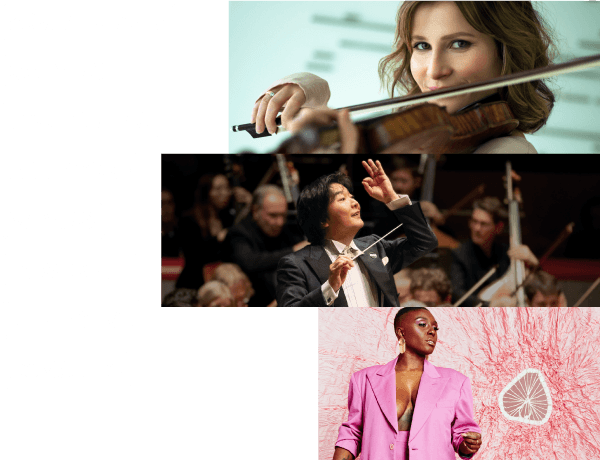
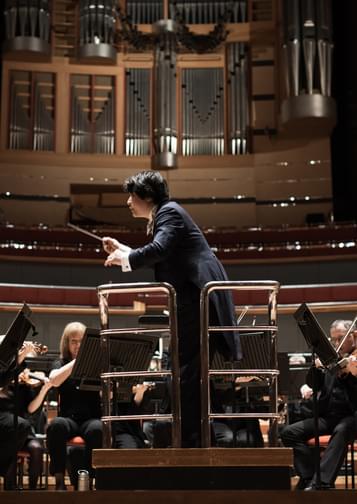
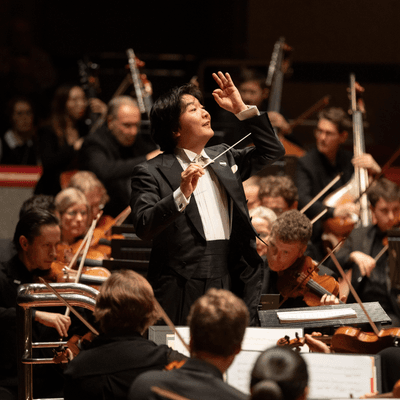
2013/14 SEASON JUST ANNOUNCED!
Read our concert guide
to discover a new season of music as the repertoire, soloists and conductors
for Season 2013/14 are announced.
We’d love to welcome you to a concert, and there’s plenty to choose from whether you want to hear tunes you already know or try something completely different.
If you’re thinking of coming to a CBSO concert for the first time but aren’t sure what to expect, we’ve answered some frequently asked questions below. If you’ve got more questions, get in touch on 0121 616 6500, information@cbso.co.uk or on facebook or twitter – and do share your thoughts after the concert too.

What
exactly is classical music?
Like all music, defining western classical music is difficult. It's sung
or played on western classical instruments, usually without amplification, and
can be anything from a short song for just one singer, to a piece lasting several
hours for hundreds of performers. And although it's sometimes called "serious"
or "art" music, it can express any human feeling.
The CBSO and its choruses mostly perform music written in the western world between 1700 and the present day. In general, it's music that was written to be listened to, rather than danced to or played in the background. It's music that lasted for generations, and still sounds as fresh and enjoyable as when it was first written. And whether it's happy, sad, soothing, romantic, thrilling, uplifting, funny or heartbreaking, above all, it's always emotional.
You'll see us performing some more surprising music too, from Bollywood to Burt Bacharach, film music to favourite show hits. It might not have been written with a full symphony orchestra or a concert stage in mind, but you're guaranteed an incredible experience when we give it a little extra musical sparkle.
How
do I know if I’ll enjoy it?
The easy way is to try it! Many people like to test the water with one of our
Friday Night Classics - featuring
everything from opera and musical hits to great film themes.
But all our concerts are full of great music and in our 2012/13 Season, highlights not to be missed include Elgar's Enigma Variations 7 Mar & Britten's War Requiem 28 May.
What
pieces are you playing this season that I’ll recognise?
Click
here to listen to familiar favourites and use the links below to view the
concerts which the pieces appear in.
What
are all those instruments?!
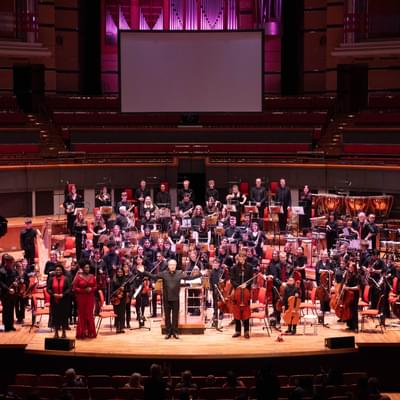
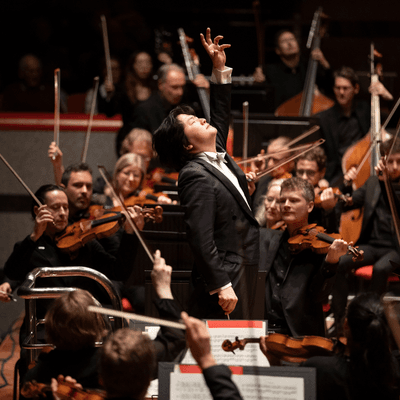
A full symphony orchestra is an impressive sight on stage - but everyone's
there for a reason!
Strings
At
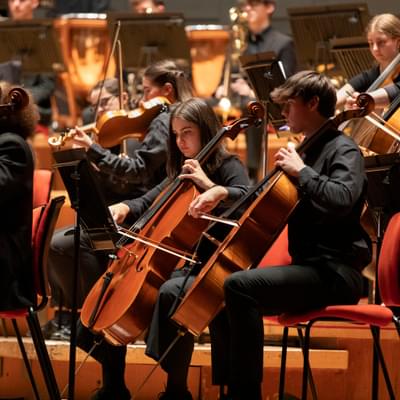
the front of the stage are the string instruments. On the left hand side of
the stage are the violins, which often play the melodies, followed from left
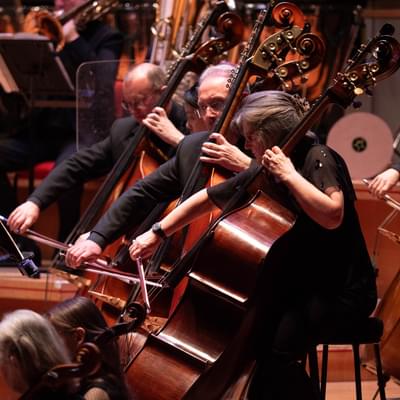
to right by the violas and cellos, and finally, at the back on the right, the
double basses - providing the orchestra's bass line. If the piece requires
it, there might also be a harp, usually sitting near the violins.
Woodwind
Behind
the strings sit the woodwind instruments, usually in two rows. In the first
row come the flutes and oboes, and behind them are the clarinets and bassoons.
Depending on the piece being played, you might also see the piccolo, cor anglais,
bass clarinet or contrabassoon. Each has a distinctive sound, adding to the
orchestra's incredible range of musical colours.
Brass
Behind
the woodwind you'll see the brass instruments. On the left of the stage
are the horns, and (from left to right) trumpets, trombones and finally the
tuba. These are amongst the most powerful instruments in the orchestra: they
don't play all the time, but when they do, it can be overwhelming.
Percussion
At the very back of the stage come the percussion, dominated by the distinctive
copper-coloured timpani (or kettle drums). But the percussion section contains
anything that can be hit to make a sound - from the tiny metal triangle to the
huge bass drum.
Find out more about our players on and off the stage.
Check out our family-friendly guide to the orchestra.
![]()
And
where do the Choruses fit in?
We’re extremely proud of our four associated choruses
– one for adults and four for young people – and they all regularly
sing with the Orchestra.
What
should I wear?
Whatever you feel comfortable in! We believe that the most important thing is
that you enjoy your evening, and you're just as welcome in jeans and trainers
as a suit and tie.
When
should I clap?
It can often be difficult to know when you are 'supposed' to clap. It's
traditional to clap at the start of the concert when the leader of the orchestra
and the conductor walk on stage - but it's not compulsory. After that, though,
you generally clap only once the piece is complete (rather than between the
separate sections, or "movements" that often make up a classical work).
If you don't know the piece, your concert programme will tell you how many
movements there are in a particular piece.
There is normally a 10-20 second pause between movements, so you should be able to work out which movement you are hearing. If that doesn't work, wait for everyone else to start, and then join in! Most of all, don't worry about it!
Which
concerts are suitable for children?
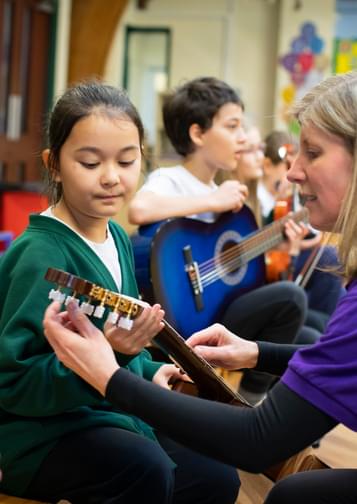
Our concerts for families
are a great day out for young and old alike, and are the perfect way to discover
the joy of live music. Notelets concerts at CBSO Centre are specially devised
for pre-school children and their families, with lots of participation and chance
to get up and move to the music. Family concerts in Symphony Hall feature the
whole orchestra, and a presenter to bring the music to life for all ages.
Families are welcome at all our concerts. Check our family ticket deals here, and just ask when booking if you need more information about what to expect.
![]()
How
can I find out more about classical music?
There's no right or wrong way to enjoy music, and nothing you need to know
first. But our programme books (£3.50) contain a short guide to each of
the pieces in our concerts, as well as information about the performers. Our
pre-concert talks are also
designed to help you find out more, with performers, composers and enthusiastic
experts sharing their insights and answering questions - and they're completely
free. To really get under the skin of the music, try a Tuned
In concert, with an introduction to the piece in the first half followed
by a full performance after the interval.
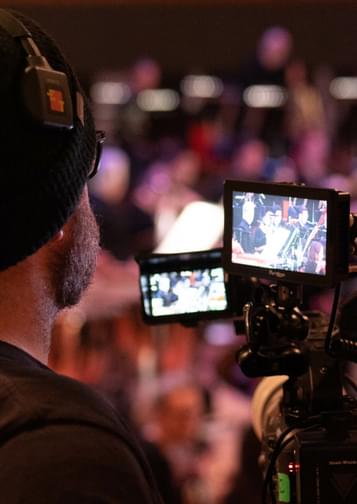
Keep an eye on our audio and video pages throughout the season for more insights into the music and behind the scenes glimpses of the Orchestra.
What
about accessible facilities at Symphony Hall and CBSO Centre?
Symphony Hall and CBSO Centre are both fully accessible for people with disabilities.
Infra-red systems for the hearing impaired are available on request in both
venues, and audio concert programmes can be ordered direct from the CBSO by
calling 0121 616 6500.
And
refreshments?
Symphony Hall is well served for bars for interval drinks, which can be pre-ordered
before each concert, and there's also the Coffee Terrace, which is open
before the concerts too. If you'd like a meal pre or post-concert, check
out our recommended watering
holes
Any
other questions?
Please call us on 0121 616 6500 or email us on information@cbso.co.uk.
We love to welcome all our concert-goers, so if you've already bought your
ticket, come and see us at every concert at the CBSO information desk at Symphony
Hall on the ground level, opposite door 2b.
Details now online - public booking opens 28 May.
2013 Half Season Brochure
2013/14 CBSO Season Brochure
@TheCBSO on Twitter
Britain's favourite film critic to celebrate his 50th birthday with a full orchestra http://t.co/0A91f1SX8g @KermodeMovie #CBSOFilm
Read more…
Flashmob: Congratulations to @bmiregional & our partners @BirminghamAirpo. Here's how we celebrated the launch http://t.co/D1XyRGE0sA
Read more…
Our pleasure @VickyBarton Look forward to seeing you at the next concert!
Read more…